
Understanding Streamlined vs. Non-Streamlined Expedited Installment Agreements
PS
When dealing with tax liabilities, understanding the different types of installment agreements is crucial. The IRS offers several options, including Streamlined and Non-Streamlined Expedited Installment Agreements. Knowing the differences between these can help you manage your tax debt more effectively.
What is a Streamlined Installment Agreement?
A Streamlined Installment Agreement is a simplified process designed for taxpayers with lower tax debts. This option is available for individuals who owe less than $50,000 in combined tax, penalties, and interest. With streamlined agreements, there is no need for detailed financial disclosure, making it a convenient choice for many.
One key advantage of this type of agreement is its ease of approval. The IRS typically grants these agreements with minimal paperwork, saving you time and effort. Additionally, the repayment term can extend up to 72 months, providing flexibility in managing your finances.
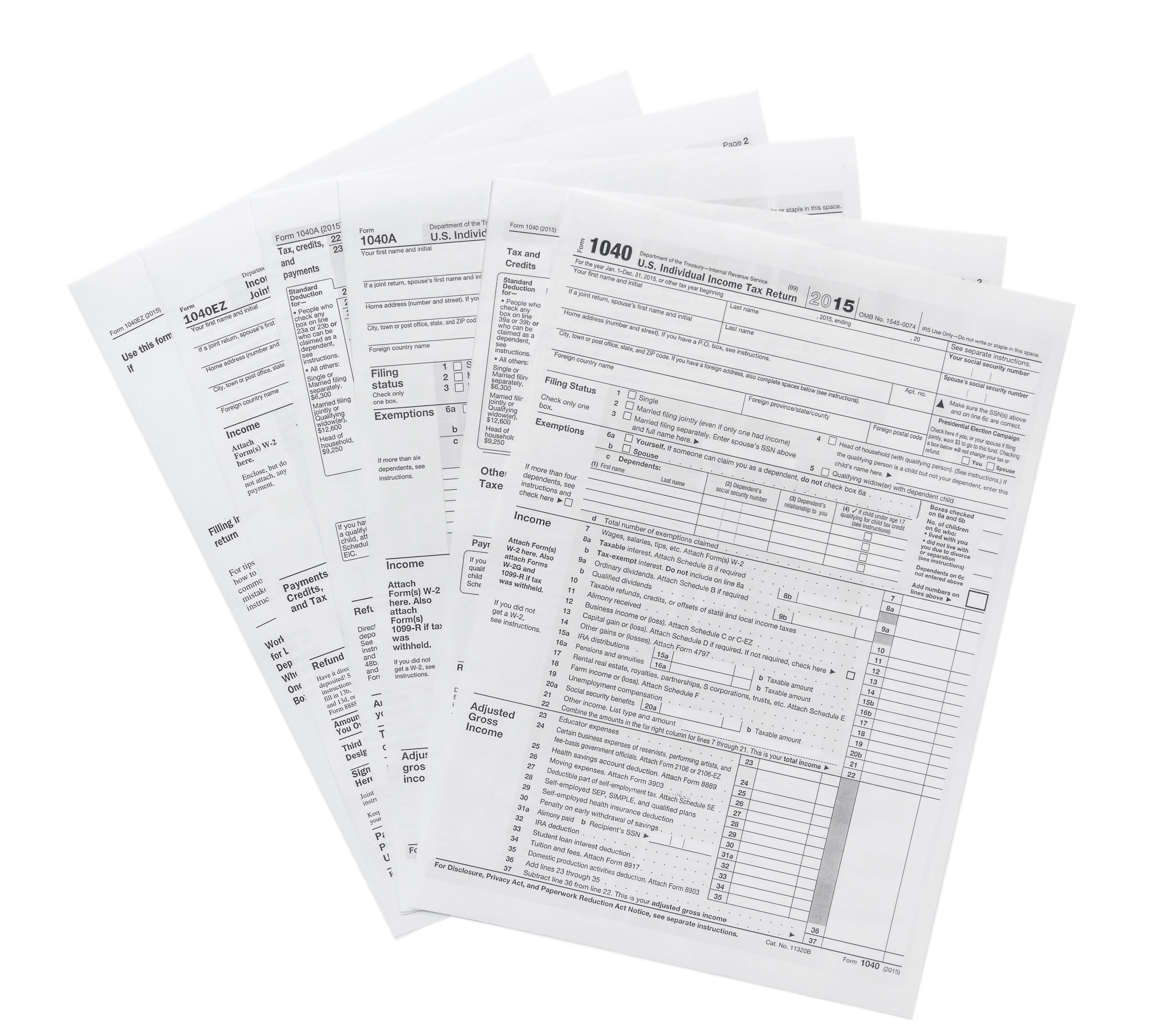
Eligibility for Streamlined Agreements
To qualify for a Streamlined Installment Agreement, taxpayers must meet specific criteria:
- Owe $50,000 or less in combined tax, penalties, and interest.
- Be able to pay the balance in full within 72 months.
- All required tax returns must be filed.
Meeting these conditions allows the IRS to expedite the approval process, helping you resolve your tax debt efficiently.
Understanding Non-Streamlined Expedited Installment Agreements
For taxpayers with higher liabilities, a Non-Streamlined Expedited Installment Agreement may be necessary. This option applies to those who owe more than $50,000 or need longer than 72 months to pay off their debt. Unlike streamlined agreements, these require more detailed financial documentation.
The IRS will typically request a Collection Information Statement (Form 433-A or 433-B) to assess your financial situation. This process may take longer, but it provides a viable solution for taxpayers with more complex financial circumstances.

Key Differences Between the Two Agreements
The primary difference between Streamlined and Non-Streamlined Expedited Installment Agreements lies in their eligibility requirements and approval processes. Streamlined agreements are quicker and require less documentation, while non-streamlined options involve more scrutiny and paperwork.
It's essential to evaluate your financial situation and tax liability to determine which agreement best suits your needs. Consulting with a tax professional can provide valuable insights and guidance.
Benefits of Choosing the Right Agreement
Selecting the appropriate installment agreement can significantly impact your financial health. By aligning with the right option, you can:
- Avoid unnecessary penalties and interest.
- Maintain compliance with IRS requirements.
- Develop a manageable payment plan tailored to your financial situation.

Understanding the nuances between Streamlined and Non-Streamlined Expedited Installment Agreements empowers you to make informed decisions, ensuring a smoother path to resolving your tax obligations.