
Navigating Tax Technology vs. Traditional Tax Support: A Comparison
PS
In the rapidly evolving world of finance, tax management is undergoing significant changes. The rise of technology offers new ways to handle tax responsibilities, but traditional methods still hold their ground. Understanding the differences can help businesses make informed decisions about their tax strategies.

Understanding Tax Technology
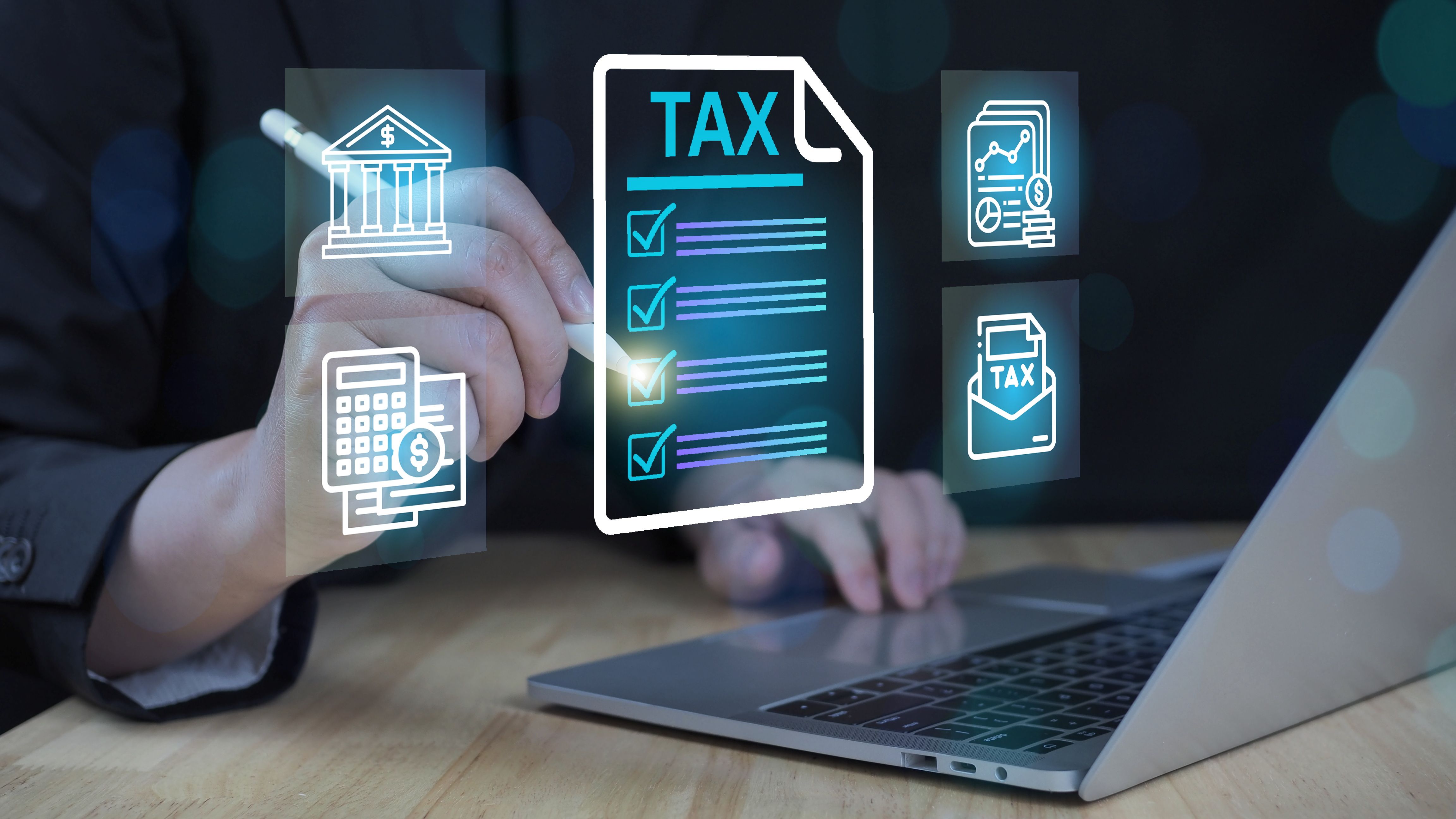
Tax technology refers to the use of software and digital tools to manage and streamline tax processes. These tools automate tasks, reduce errors, and provide real-time insights into financial data. They are becoming increasingly popular among businesses looking to enhance efficiency and accuracy.
The Benefits of Tax Technology
There are several advantages to adopting tax technology:
- Automation: Automating repetitive tasks saves time and reduces human error.
- Real-time Data: Access to up-to-date information helps in making informed decisions.
- Scalability: Technology can easily adapt to growing business needs.
Traditional Tax Support
Traditional tax support typically involves working with accountants or tax advisors who provide personalized service. While this method may lack the speed and efficiency of technology, it offers a human touch that some businesses find valuable.
The Advantages of Traditional Support
Despite the rise of technology, traditional tax support remains relevant for several reasons:
- Personalized Advice: Human experts can offer tailored advice based on a company's unique situation.
- Experience: Seasoned professionals bring years of experience to the table.
- Trust and Relationship: Building a relationship with a trusted advisor can provide peace of mind.

Choosing the Right Approach
When deciding between tax technology and traditional support, businesses must consider their specific needs and capabilities. Smaller companies might benefit from the cost-effectiveness of technology, while larger firms may require the personalized attention of traditional advisors.
Hybrid Solutions
Some businesses opt for a hybrid approach, combining technology with human expertise. This strategy leverages the strengths of both methods, offering a balanced solution that maximizes efficiency and personalization.
In conclusion, navigating the landscape of tax management requires understanding the pros and cons of both technology and traditional methods. By carefully evaluating their needs, businesses can choose the best approach to streamline their tax processes and ensure compliance.